A programme design can look remarkably convincing on paper. The objectives are clear. The activities are mapped. The budget works. The timelines are realistic. The indicators are measurable. And yet, the moment the plan meets the ground, something often changes.
It is because reality was never fully invited into the planning process.
Over time, working across education, employability, entrepreneurship and community development has changed the way I think about strategy. Earlier, when handed an intervention, it was natural to begin with the concept note: What are the objectives? What activities are proposed? What resources are required?
Today, I would begin with a different question: what assumptions are we making about the people, communities and systems we are trying to serve?
What the Programme Design Cannot See
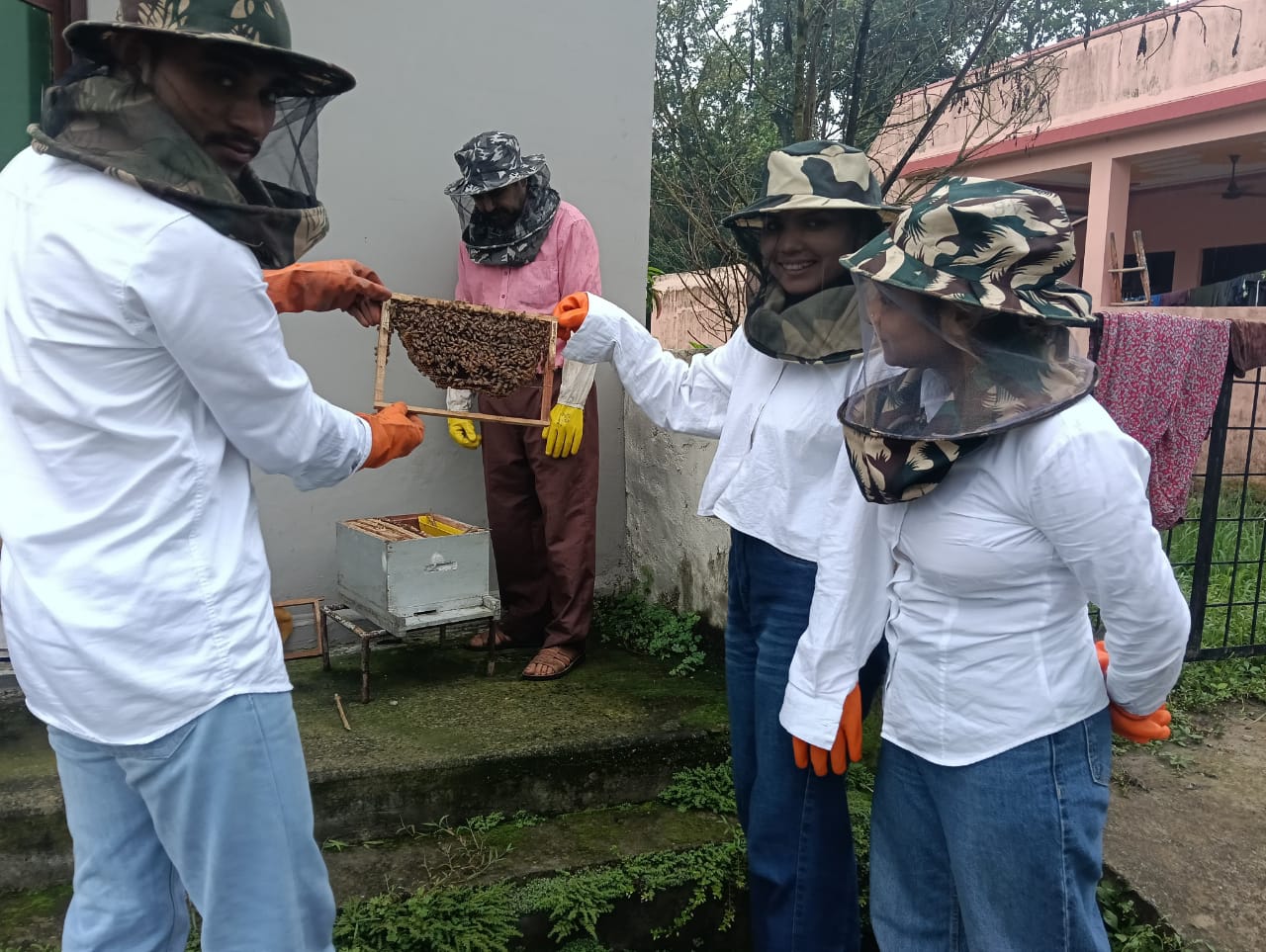
Consider a livelihood intervention designed to support women entrepreneurs. On paper, the model may make perfect sense: identify participants, provide training, strengthen their enterprises, connect them to markets and measure business outcomes.
In Odisha, field realities challenged some of those assumptions.
Some of the women we were working with lived in protected forest regions. Reaching them required permissions. Mobile connectivity could disappear entirely in certain areas. The operational environment was fundamentally different from what a conventional implementation plan might assume.
If we interpret every implementation challenge as an individual capability gap, we risk designing more training when what may actually be needed is a different kind of intervention altogether.
When “Awareness” Isn’t the Real Barrier
The same lesson appeared in career awareness work.
During an intervention in Uttarakhand, a government stakeholder questioned whether vocational pathways should be discussed with students. The concern was that introducing alternatives might discourage young people from pursuing medicine, engineering or law. The assumption was understandable: if students are exposed to too many alternatives, perhaps they will move away from conventional, highly-coveted academic pathways.
But later that day, a student thanked us for introducing careers in paramedical and clinical support services. He had already given up on becoming a doctor. Not because he lacked academic ability or was unaware of scholarships, but because his family needed him to become financially independent much sooner than the timeline of a medical degree would allow.
The problem was not simply a lack of information. His career decision was being shaped by economic reality. That changes the intervention entirely.
The Realities We Stop Seeing
Then there are realities that are even harder to capture in a project framework because they can become so normalised that people stop noticing them.
During a field visit in Rajasthan, members of my team were asked about their caste. As residents of a metro city and in an environment somewhat removed from these seemingly archaic systemic realities, they were surprised and asked why. The response was matter-of-fact: “Madam, yahan pe puchte hain. Common hai.”
There was no hostility in the interaction. That was precisely what made it memorable.
For someone designing a programme from outside that context, however, failing to understand those realities can have consequences.
From Empathy to Better Strategy
Field exposure is often described as something that makes development professionals more empathetic. It certainly can. But its value goes further.
Field experience makes you a better strategist.
It teaches you to question assumptions before turning them into programme design. It forces you to distinguish between a problem and its symptoms. It reveals constraints that datasets may not capture. And most importantly, it reminds you that people do not experience interventions as neatly separated project components.
- A student does not experience “career awareness” independently of family income.
- An entrepreneur does not experience “enterprise development” independently of geography, infrastructure or social systems.
- A community does not experience a programme independently of the norms and structures that shape everyday life.
Designing for the World That Exists
This does not mean abandoning structured planning or assuming that every project must be redesigned after entering the field. It means building ground truth into strategy from the beginning, and leaving space for reality checks that come in later.
That could mean speaking to communities before finalising programme design. Testing assumptions through pilots. Involving field teams in planning conversations. Building feedback loops into implementation.